
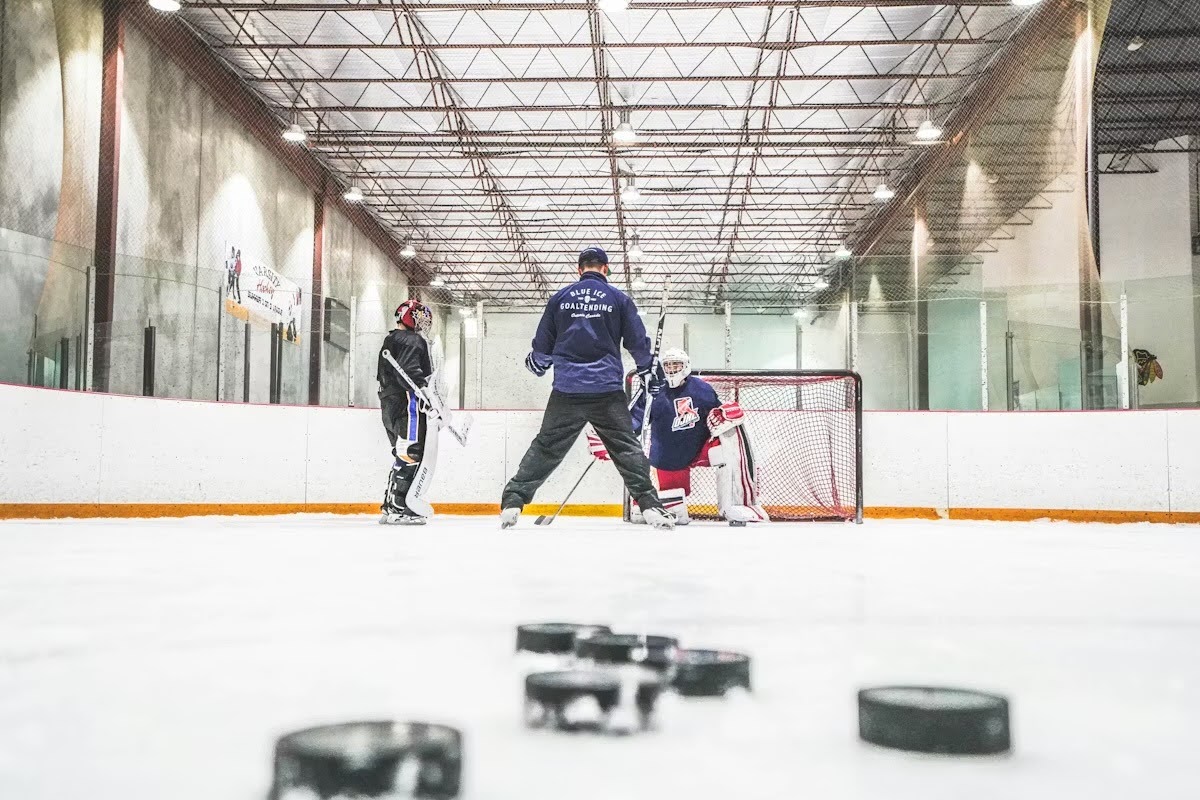
Hockey is a fast-paced and physically demanding sport that requires the right equipment for effective practice. Whether you are a beginner or an experienced player, having the proper tools can significantly impact your performance and skill development. Choosing the right gear is not just about convenience—it is about safety, durability, and improving your overall game.
With so many options available, it can be overwhelming to decide what to invest in. Here are five key factors to consider when buying tools for your hockey practice.
1. Focus on Quality and Durability
When it comes to hockey equipment, quality should always be a top priority. Practice tools such as sticks, pucks, nets, and training aids go through constant use and wear. Investing in durable materials ensures that your equipment lasts longer and performs consistently.
Low-quality tools may save money initially, but they often need frequent replacement, which can cost more in the long run. Reliable and sturdy equipment allows you to practice with confidence and without interruptions.
2. Choose Equipment Based on Skill Level
Not all hockey tools are suitable for every player. Beginners may benefit from basic training aids that focus on fundamental skills, while advanced players might need specialized equipment to refine their techniques.
For example, training cones, shooting targets, and stickhandling tools vary in complexity. Selecting equipment that matches your skill level ensures that your practice sessions remain productive and engaging without becoming too easy or overly challenging.
3. Investing in Name Brands
One important factor to consider is investing in name brands. Well-known brands in the hockey industry such as passmaster often have a reputation for producing high-quality and reliable equipment. These companies invest in research, testing, and innovation to create tools that enhance performance and ensure safety.
While branded equipment may come at a higher price, it often offers better durability, improved design, and long-term value. Choosing trusted brands can give you peace of mind and help you get the most out of your practice sessions.
4. Ensure Proper Fit and Comfort
Comfort plays a crucial role in effective practice. Ill-fitting equipment can lead to discomfort, reduced performance, and even injuries. When selecting tools like sticks, gloves, or protective gear, make sure they are the right size and fit your body properly.
A well-fitted hockey stick, for instance, improves control and accuracy, while comfortable gear allows you to focus fully on your training. Taking the time to ensure proper fit can make a significant difference in your overall experience.
5. Consider Portability and Storage
Hockey practice tools should be easy to transport and store, especially if you practice in different locations. Lightweight and portable equipment makes it convenient to carry your gear to rinks, fields, or training areas.
Additionally, tools that are easy to assemble and disassemble can save time and effort. Proper storage also helps maintain the condition of your equipment, ensuring it remains ready for use whenever needed.
Final Words
Choosing the right tools for your hockey practice is essential for improving your skills and enjoying the game to its fullest. By focusing on quality and durability, selecting equipment based on your skill level, investing in trusted name brands, ensuring proper fit and comfort, and considering portability, you can create an effective and efficient practice setup.